
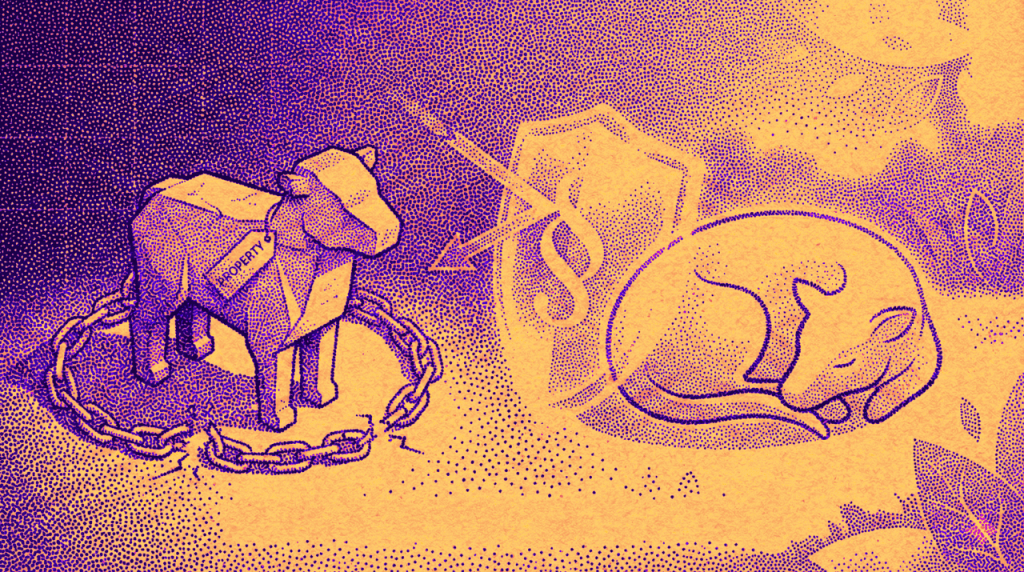
In her detailed analysis, Anna Fijałkowska-Owczarek explores the complex historical and legal journey of animal rights, highlighting how animals have shifted from utilitarian resources to subjects of humane protection. While animals have undeniably changed the course of human history—from the domestication of fish in antiquity to the collapse of dynasties caused by hunting accidents—legal recognition of their status has been slow to evolve.
Philosophical and Religious Foundations
Fijałkowska-Owczarek traces this evolution through centuries of philosophical debate. She notes that while ancient figures like Pythagoras advocated for harmony between species, later thinkers like Aristotle and St. Thomas Aquinas placed animals firmly in the material realm, subordinate to humans. It was not until the modern era that the focus shifted from an animal’s ability to reason to its capacity to feel. As the author notes regarding Jeremy Bentham’s utilitarianism, the pivotal argument became that “efforts should be made to minimize suffering”.
Legal Dereification and the Animal Protection Act
The core of Fijałkowska-Owczarek’s article focuses on the Polish Animal Protection Act (APA), which marks a significant legislative turn. The Act explicitly states that “an animal, as a living being capable of feeling suffering, is not a thing” and that “Man owes it respect, protection, and care”. This legal concept, known as “dereification,” moves animals away from being treated as mere objects.
However, the Fijałkowska-Owczarek clarifies that this does not equate animals to humans. Quoting Professor J. Białocerkiewicz, Fijałkowska-Owczarek explains that dereification “does not mean in any way equating homo sapiens and other animal species,” nor does it grant them equal rights. The author argues that despite some scholars believing these laws protect human sensibilities, the legislature has prioritized “the interests of animals, not humans,” by focusing on their ability to feel pain.
Future Perspectives
Ultimately, Fijałkowska-Owczarek concludes that the road to full rights is ongoing. She suggests that the next necessary step for the future “would be to recognize their subjectivity,” potentially through “non-personal legal subjectivity,” to resolve remaining ambiguities in the law.
 Posthumanism.Today
Leave a comment